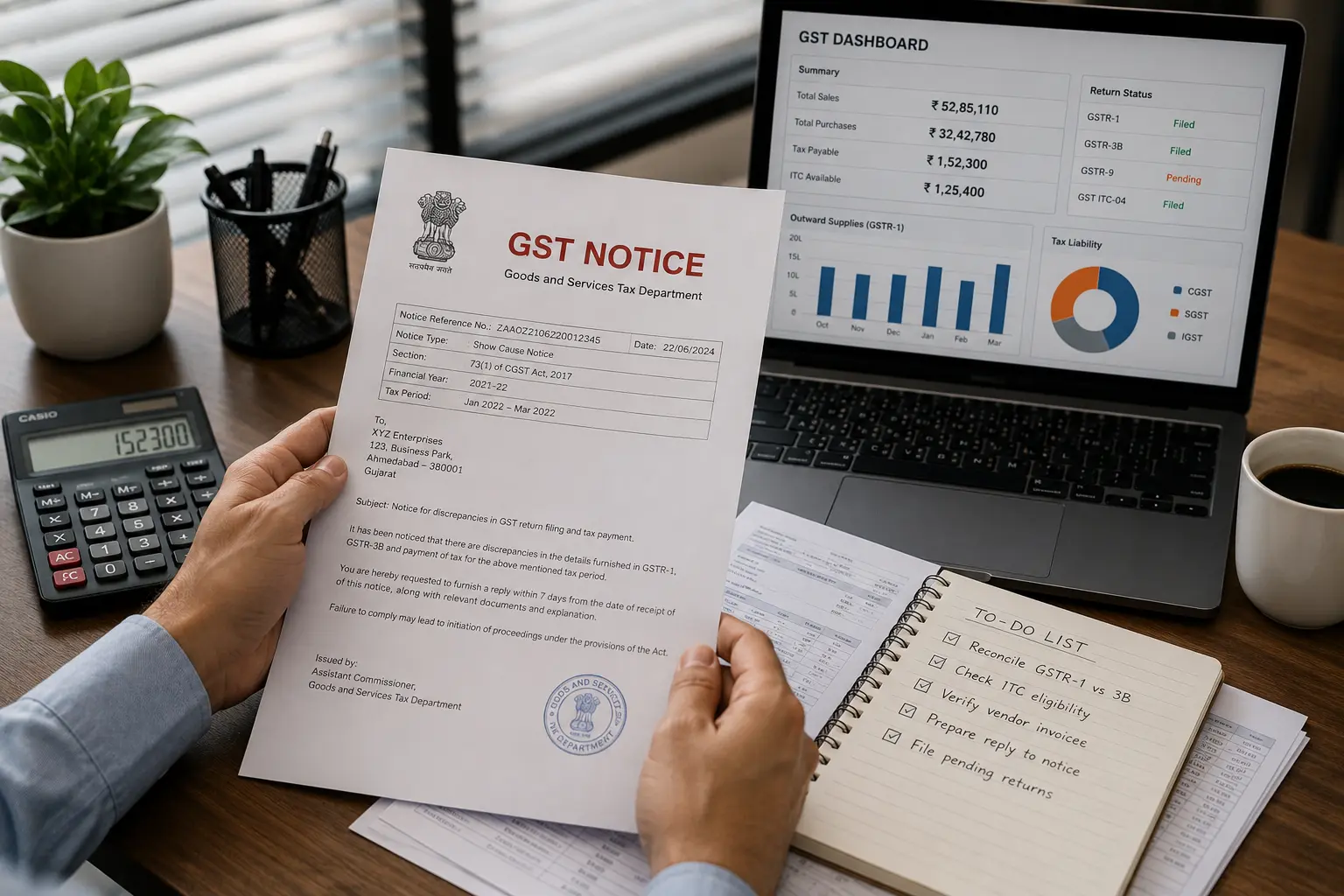


Most business owners think poor accounting becomes a problem when tax season arrives.
That’s not actually when the damage begins.
The damage usually starts months earlier.
Quietly.
In places most businesses never notice.
A missing invoice.
An inaccurate expense entry.
An outdated financial report.
A decision made using incomplete numbers.
On the surface, everything looks fine.
Customers are paying.
The business is operating.
Revenue is growing.
But underneath, small accounting mistakes slowly begin creating larger business problems.
Accounting Isn’t Just About Recording Numbers
Many businesses treat accounting as an administrative task.
Something that needs to be completed because regulations require it.
But accounting serves a much bigger purpose.
It helps business owners understand reality.
It answers questions like:
- Is the business actually profitable?
- Which services generate the most revenue?
- Where is cash being lost?
- Can we afford to hire?
- Is expansion financially safe?
Without accurate accounting, these decisions become educated guesses.
And growth based on guesses is risky.
The Most Expensive Mistakes Don’t Look Like Mistakes
When people think about poor accounting, they imagine penalties or compliance notices.
Those costs are visible.
The hidden costs are much larger.
For example:
A founder delays hiring because cashflow appears weak.
In reality, the business could have comfortably supported growth.
Or a company invests heavily in a service that’s generating very little profit.
Because nobody is reviewing the numbers correctly.
Or a business misses an opportunity because management doesn’t have accurate financial visibility.
These situations rarely appear in accounting reports.
But they directly affect business growth.
Poor Accounting Creates Slow Decision-Making
Growing businesses move quickly.
Opportunities appear without warning.
Challenges require immediate responses.
But when financial records aren’t updated regularly, decision-making slows down.
Leaders begin asking questions nobody can answer confidently.
How much cash is available?
What is the current profit margin?
What are our outstanding liabilities?
Which clients are overdue?
Without reliable information, every important decision becomes slower and riskier.
Cash Flow Problems Often Start Here
Many profitable businesses still experience cash flow problems.
Not because they lack revenue.
Because they lack visibility.
Poor accounting often makes it difficult to identify:
- Late payments
- Unnecessary expenses
- Vendor obligations
- Tax liabilities
- Future cash requirements
By the time these problems become visible, they have already impacted operations.
Good accounting helps businesses see challenges before they become emergencies.
Investors Notice More Than Revenue
Founders often focus heavily on growth when preparing for funding.
Investors look deeper.
They review financial records.
Reporting quality.
Accounting processes.
Documentation.
Consistency.
A business with weak accounting systems creates uncertainty.
And uncertainty increases risk.
Strong financial records build confidence.
Confidence helps attract opportunities.
Why Many Businesses Choose Accounting Outsourcing
As businesses grow, maintaining accurate financial records becomes more demanding.
Transactions increase.
Reporting requirements expand.
Compliance obligations become more complex.
This is why many growing companies choose professional accounting support.
Not because they can’t do the work internally.
Because leadership time is more valuable when focused on customers, operations and growth.
Professional accounting creates:
- Better visibility
- Better reporting
- Better compliance
- Better decisions
Most importantly, it creates confidence.
Accounting Is Really About Business Clarity
The purpose of accounting isn’t simply recording what happened.
It’s helping business owners understand what’s happening right now.
And preparing them for what’s coming next.
The strongest businesses rarely make decisions based on assumptions.
They make decisions based on accurate, reliable financial information.
That’s what good accounting provides.
Clarity.
Final Thoughts
Poor accounting doesn’t usually destroy businesses overnight.
Instead, it slowly reduces visibility.
It creates uncertainty.
It delays decisions.
It hides opportunities.
And over time, those hidden costs become expensive.
Businesses grow faster when leaders trust their numbers.
Because when you understand your finances clearly, you can move forward with confidence.
Need Better Financial Visibility?
We help businesses maintain accurate accounting records, monthly financial reporting, MIS reporting, cloud accounting and ongoing financial management support.
So you can spend less time questioning the numbers and more time growing the business.